

JavaScript 手写 Promise 完整实现指南
本文详细解析 JavaScript 中 Promise 的内部实现机制。从基础的状态机管理(Pending、Fulfilled、Rejected)入手,阐述如何通过发布订阅模式解决异步回调时机问题。进一步讲解 then 方法的链式调用原理,包括微任务调度与返回值处理,最后实现 Promise.all 并发控制逻辑,帮助开发者深入理解异步流程控制。
背景
Promise 是前端开发中处理异步操作的核心工具,有效避免了传统回调函数导致的“回调地狱”问题。为了在面试或实际开发中更深入地理解其工作原理,本文通过手写代码的方式,逐步拆解 Promise 的实现细节。
需求
在动手实现之前,我们需要明确 Promise 的核心特性与行为规范。
通过以下使用示例,我们可以观察到 Promise 的基本用法:
const p1 = new Promise((resolve, reject) => {
  console.log('1');
  resolve('成功了');
})

console.log("2");

const p2 = p1.then(data => {
  console.log('3')
  throw new Error('失败了')
})

const p3 = p2.then(data => {
  console.log('success', data)
}, err => {
  console.log('4', err)
})
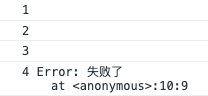
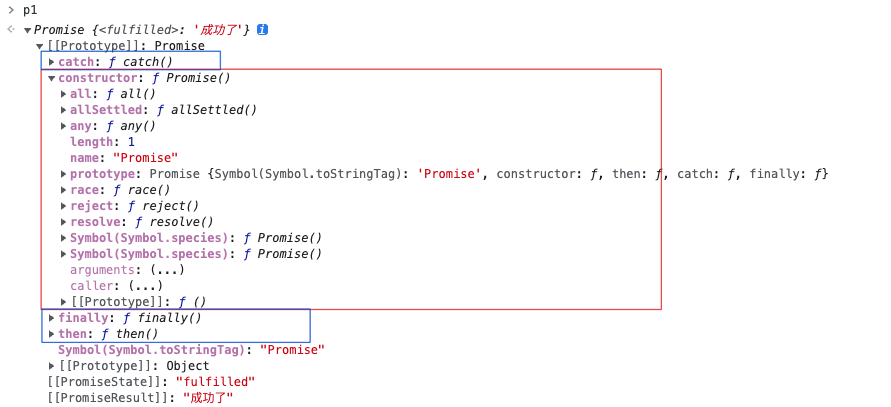
从上述代码示例中,可以提炼出本次实现需要满足的关键需求:
- 实例化 Promise 时,必须返回一个 Promise 对象,该对象需具备 all、resolve、reject、then 等标准属性与方法。
- 在构建 Promise 实例时,构造函数需接收一个 executor 执行器函数作为参数。该函数立即执行,并接收 resolve 和 reject 两个回调函数作为参数,Promise 的核心业务逻辑均在此函数内执行。
- 当 executor 中的业务逻辑执行成功时,应调用 resolve 函数;若执行过程中发生错误,则调用 reject 函数。
- Promise 拥有三种状态:pending(进行中)、fulfilled(已成功)和 rejected(已失败),初始状态默认为 pending。状态转换具有不可逆性,只能从 pending 转为 fulfilled 或 rejected,且一旦状态确定,便不再改变。
- Promise 对象需提供一个 then 方法,该方法接收两个可选参数:成功时的回调 onFulfilled 和失败时的回调 onRejected。
// 三个状态:PENDING、FULFILLED、REJECTED
const PENDING = "PENDING";
const FULFILLED = "FULFILLED";
const REJECTED = "REJECTED";

class Promise {
  constructor(executor) {
    // 默认状态为 PENDING
    this.status = PENDING;
    // 存放成功状态的值,默认为 undefined
    this.value = undefined;
    // 存放失败状态的值,默认为 undefined
    this.reason = undefined;

    // 调用此方法就是成功
    let resolve = (value) => {
      // 状态为 PENDING 时才可以更新状态,防止 executor 中调用了两次 resovle/reject 方法
      if (this.status === PENDING) {
        this.status = FULFILLED;
        this.value = value;
      }
    };

    // 调用此方法就是失败
    let reject = (reason) => {
      // 状态为 PENDING 时才可以更新状态,防止 executor 中调用了两次 resovle/reject 方法
      if (this.status === PENDING) {
        this.status = REJECTED;
        this.reason = reason;
      }
    };

    try {
      // 立即执行,将 resolve 和 reject 函数传给使用者
      executor(resolve, reject);
    } catch (error) {
      // 发生异常时执行失败逻辑
      reject(error);
    }
  }

  // 包含一个 then 方法,并接收两个参数 onFulfilled、onRejected
  then(onFulfilled, onRejected) {
    if (this.status === FULFILLED) {
      onFulfilled(this.value);
    }

    if (this.status === REJECTED) {
      onRejected(this.reason);
    }
  }
}
让我们先尝试调用基础实现:
const promise = new Promise((resolve, reject) => {
  resolve('成功');
}).then(
  (data) => {
    console.log('success', data)
  },
  (err) => {
    console.log('faild', err)
  }
)
此时看似运行正常,但需注意 Promise 的设计初衷是处理异步任务。接下来我们将测试异步场景下的表现:
const promise = new Promise((resolve, reject) => {
  // 传入一个异步操作
  setTimeout(() => {
    resolve('成功');
  },1000);
}).then(
  (data) => {
    console.log('success', data)
  },
  (err) => {
    console.log('faild', err)
  }
)
运行后发现没有任何输出,我们需要分析其原因:
在 new Promise 执行时,异步任务随即启动。随后代码立即执行 .then 方法,但由于此时异步任务尚未完成,Promise 的状态仍为 pending,因此 then 中的回调函数未被触发。
针对上述问题,我们需要对实现进行改进:
我们的目标是:当异步任务执行完毕并触发 resolve 时,再执行 .then 中注册的回调函数,并将 resolve 的参数传递给该回调。
这本质上是一种发布-订阅模式的应用,具体实现可参考相关设计模式文章。
const PENDING = 'PENDING';
const FULFILLED = 'FULFILLED';
const REJECTED = 'REJECTED';

class Promise {
  constructor(executor) {
    this.status = PENDING;
    this.value = undefined;
    this.reason = undefined;
    // 存放成功的回调
    this.onResolvedCallbacks = [];
    // 存放失败的回调
    this.onRejectedCallbacks= [];

    let resolve = (value) => {
      if(this.status ===  PENDING) {
        this.status = FULFILLED;
        this.value = value;
        // 依次将对应的函数执行
        this.onResolvedCallbacks.forEach(fn=>fn());
      }
    }

    let reject = (reason) => {
      if(this.status ===  PENDING) {
        this.status = REJECTED;
        this.reason = reason;
        // 依次将对应的函数执行
        this.onRejectedCallbacks.forEach(fn=>fn());
      }
    }

    try {
      executor(resolve,reject)
    } catch (error) {
      reject(error)
    }
  }

  then(onFulfilled, onRejected) {
    if (this.status === FULFILLED) {
      onFulfilled(this.value)
    }

    if (this.status === REJECTED) {
      onRejected(this.reason)
    }

    if (this.status === PENDING) {
      // 如果promise的状态是 pending,需要将 onFulfilled 和 onRejected 函数存放起来,等待状态确定后,再依次将对应的函数执行
      this.onResolvedCallbacks.push(() => {
        onFulfilled(this.value)
      });

      // 如果promise的状态是 pending,需要将 onFulfilled 和 onRejected 函数存放起来,等待状态确定后,再依次将对应的函数执行
      this.onRejectedCallbacks.push(()=> {
        onRejected(this.reason);
      })
    }
  }
}
改进后再次进行测试:
const promise = new Promise((resolve, reject) => {
  setTimeout(() => {
    resolve('成功');
  },1000);
}).then(
  (data) => {
    console.log('success', data)
  },
  (err) => {
    console.log('faild', err)
  }
)
1 秒后控制台输出:
这表明异步回调机制已生效。
then 的链式调用
此处省略底层细节分析,核心思路是:每次调用 .then 时,都返回一个新的 Promise 对象。这样,后续的 .then 就能获取前一个 .then 返回的 Promise 实例,从而实现链式调用。
const PENDING = 'PENDING';
const FULFILLED = 'FULFILLED';
const REJECTED = 'REJECTED';

const resolvePromise = (promise2, x, resolve, reject) => {
  // 自己等待自己完成是错误的实现,用一个类型错误,结束掉 promise  Promise/A+ 2.3.1
  if (promise2 === x) {
    return reject(new TypeError('Chaining cycle detected for promise #<Promise>'))
  }
  // Promise/A+ 2.3.3.3.3 只能调用一次
  let called;
  // 后续的条件要严格判断 保证代码能和别的库一起使用
  if ((typeof x === 'object' && x != null) || typeof x === 'function') {
    try {
      // 为了判断 resolve 过的就不用再 reject 了(比如 reject 和 resolve 同时调用的时候)  Promise/A+ 2.3.3.1
      let then = x.then;
      if (typeof then === 'function') {
        // 不要写成 x.then,直接 then.call 就可以了 因为 x.then 会再次取值,Object.defineProperty  Promise/A+ 2.3.3.3
        then.call(x, y => { // 根据 promise 的状态决定是成功还是失败
          if (called) return;
          called = true;
          // 递归解析的过程(因为可能 promise 中还有 promise) Promise/A+ 2.3.3.3.1
          resolvePromise(promise2, y, resolve, reject);
        }, r => {
          // 只要失败就失败 Promise/A+ 2.3.3.3.2
          if (called) return;
          called = true;
          reject(r);
        });
      } else {
        // 如果 x.then 是个普通值就直接返回 resolve 作为结果  Promise/A+ 2.3.3.4
        resolve(x);
      }
    } catch (e) {
      // Promise/A+ 2.3.3.2
      if (called) return;
      called = true;
      reject(e)
    }
  } else {
    // 如果 x 是个普通值就直接返回 resolve 作为结果  Promise/A+ 2.3.4
    resolve(x)
  }
}

class Promise {
  constructor(executor) {
    this.status = PENDING;
    this.value = undefined;
    this.reason = undefined;
    this.onResolvedCallbacks = [];
    this.onRejectedCallbacks= [];

    let resolve = (value) => {
      if(this.status ===  PENDING) {
        this.status = FULFILLED;
        this.value = value;
        this.onResolvedCallbacks.forEach(fn=>fn());
      }
    }

    let reject = (reason) => {
      if(this.status ===  PENDING) {
        this.status = REJECTED;
        this.reason = reason;
        this.onRejectedCallbacks.forEach(fn=>fn());
      }
    }

    try {
      executor(resolve,reject)
    } catch (error) {
      reject(error)
    }
  }

  then(onFulfilled, onRejected) {
    //解决 onFufilled,onRejected 没有传值的问题
    //Promise/A+ 2.2.1 / Promise/A+ 2.2.5 / Promise/A+ 2.2.7.3 / Promise/A+ 2.2.7.4
    onFulfilled = typeof onFulfilled === 'function' ? onFulfilled : v => v;
    //因为错误的值要让后面访问到,所以这里也要跑出个错误,不然会在之后 then 的 resolve 中捕获
    onRejected = typeof onRejected === 'function' ? onRejected : err => { throw err };
    // 每次调用 then 都返回一个新的 promise  Promise/A+ 2.2.7
    let promise2 = new Promise((resolve, reject) => {
      if (this.status === FULFILLED) {
        //Promise/A+ 2.2.2
        //Promise/A+ 2.2.4 --- setTimeout
        setTimeout(() => {
          try {
            //Promise/A+ 2.2.7.1
            let x = onFulfilled(this.value);
            // x可能是一个proimise
            resolvePromise(promise2, x, resolve, reject);
          } catch (e) {
            //Promise/A+ 2.2.7.2
            reject(e)
          }
        }, 0);
      }

      if (this.status === REJECTED) {
        //Promise/A+ 2.2.3
        setTimeout(() => {
          try {
            let x = onRejected(this.reason);
            resolvePromise(promise2, x, resolve, reject);
          } catch (e) {
            reject(e)
          }
        }, 0);
      }

      if (this.status === PENDING) {
        this.onResolvedCallbacks.push(() => {
          setTimeout(() => {
            try {
              let x = onFulfilled(this.value);
              resolvePromise(promise2, x, resolve, reject);
            } catch (e) {
              reject(e)
            }
          }, 0);
        });

        this.onRejectedCallbacks.push(()=> {
          setTimeout(() => {
            try {
              let x = onRejected(this.reason);
              resolvePromise(promise2, x, resolve, reject)
            } catch (e) {
              reject(e)
            }
          }, 0);
        });
      }
    });

    return promise2;
  }
}
Promise.all
Promise.all 的核心逻辑是:只要有一个 Promise 失败,整体结果即为失败;只有当所有 Promise 都成功时,才执行 resolve。
Promise.all = function(values) {
  if (!Array.isArray(values)) {
    const type = typeof values;
    return new TypeError(`TypeError: ${type} ${values} is not iterable`)
  }
  return new Promise((resolve, reject) => {
    let resultArr = [];
    let orderIndex = 0;
    const processResultByKey = (value, index) => {
      resultArr[index] = value;
      if (++orderIndex === values.length) {
          resolve(resultArr)
      }
    }
    for (let i = 0; i < values.length; i++) {
      let value = values[i];
      if (value && typeof value.then === 'function') {
        value.then((value) => {
          processResultByKey(value, i);
        }, reject);
      } else {
        processResultByKey(value, i);
      }
    }
  });
}
至此,关于 JavaScript 手写 Promise 的示例代码介绍完毕。如需了解更多相关内容,请搜索本站历史文章或继续浏览后续教程,感谢大家的支持!
Object.assign合并JS对象的用法与注意事项
2026-11-05 17:56:08
JS大数值转字符串出现科学计数法怎么办
2026-11-05 17:09:21
JS split切割后出现空字符串怎么过滤
2026-11-05 16:00:30
在 React 或 Vue 项目中封装使用 JS 节流防抖
2026-11-05 15:27:29
JavaScript中怎么将带小数的字符串转为整数?
2026-11-05 14:32:38