

JavaScript 实现双向链表详解
本文详细解析了 JavaScript 中双向链表的实现过程。从单链表的局限性出发,介绍了双向链表的结构特点,包括 prev、data 和 next 指针。重点讲解了 DoublyLinkedList 类的封装,以及 append、insert、get、remove 等核心方法的逻辑与代码实现,帮助开发者掌握双向链表在 JS 中的应用。
一、什么是双向链表
已知单链表仅支持单向遍历(通常从头至尾),其原理依赖于前驱节点持有指向后继节点的引用。该结构存在显著局限性:
虽能便捷访问后续节点,但回溯至前驱节点较为困难。鉴于实际开发中常需逆向访问场景,双向链表应运而生。
双向链表定义为支持双向遍历(头至尾、尾至头)的数据结构。尽管其插入或删除操作需处理四个引用而非两个,且内存开销略高于单链表,但相较于操作便利性,这些缺点可忽略不计。 下文展示双向链表结构图。如下所示:
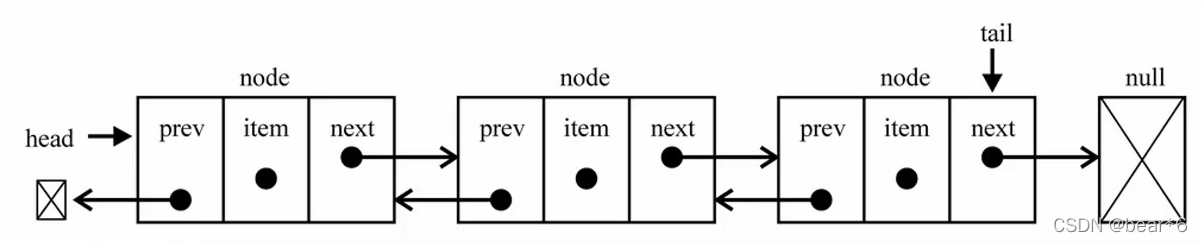
双向链表核心特性:
- 引入head与tail指针分别指向首尾节点。
- 节点由三部分构成:前驱指针(prev)、数据域(data)及后继指针(next)。
- 首节点的prev属性值为null。
- 尾节点的next属性值为null。
结构抽象示意如下:
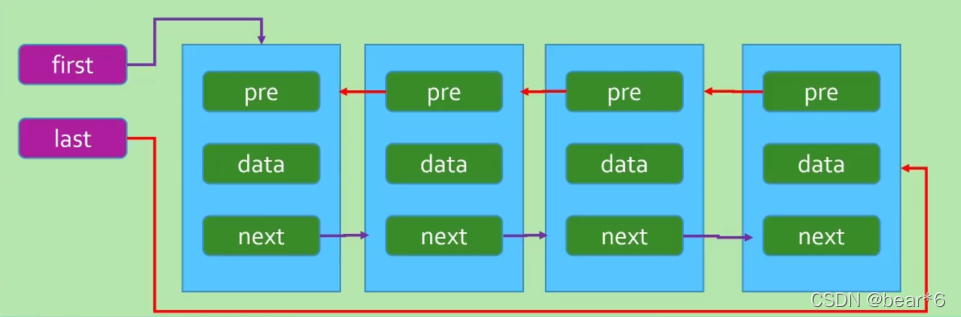
明确结构后,下文阐述双向链表的封装实现。
二、双向链表的封装
首先定义DoublyLinkedList类以表征链表整体结构。内部嵌套Node类用于封装节点信息(含前驱引用、数据及后继引用)。在Node类中维护三个属性:链表长度、头节点引用及尾节点引用。具体实现如下:
function DoublyLinkedList(){
	 this.head = null;
	 this.tail = null;
	 this.length = 0;
	 function Node(data){
		 this.data = data;
		 this.prev = null;
		 this.next = null;
	}
三、双向链表的常用操作
在此基础上,实现双向链表的标准操作方法:
append(element:向列表尾部添加一个项
insert(position,element):向列表的特定位置插入一个项
get(position):获取对应位置的元素
indexOf(element):返回元素在列表中的索引,若未找到则返回-1
update(position,ele):修改某个位置的元素
removeAt(position):从列表的指定位置移除一项
remove(element):从列表中移除一项
isEmpty():若链表为空返回true,长度大于0返回false
size():返回链表包含的元素个数,对应数组的length属性
toString():因列表项依赖Node类,需重写继承自JavaScript对象的默认toString方法,以输出元素值。
forwardString():返回正向遍历的节点字符串形式
backwardString():返回反向遍历的节点字符串形式
接下来逐一实现上述方法。
1、append(element)方法-----向列表尾部添加一个项
该方法逻辑与单链表类似。首先创建新节点,判断链表状态:若为空,直接将头部指向新节点;若不为空,则令新节点的前驱指针指向当前尾部,并将原尾部节点的后继指针指向新节点。
Doubly.prototype.append = function(data){
                var newNode = new Node(data);
                if(this.length == 0){
                    this.head = newNode;
                }else{
                    newNode.prev = this.tail;
                    this.tail.next = newNode;
                    }
                this.tail = newNode;
                this.length += 1;
            }
2、将链表转化为字符串形式
1、toString():正向输出元素的值
此方法旨在获取所有元素并生成字符串。因默认遍历需从首节点开始,故从head出发,循环遍历各节点并提取element进行拼接,最终返回字符串。具体实现为创建临时节点current指向头部,通过next指针向后遍历并拼接数据。
DoublyLinkedList.prototype.tostring = function(){
                var current = this.head;
                var str = '';
                while(current){
                    str += current.data + ' ';
                    current = current.next;
                }
               return str;
            }
2、forwardString():返回正向遍历的节点字符串形式
该方法实现双向链表的正向打印输出,可直接复用前述方法:
DoublyLinkedList.prototype.forwardString = function(){
               return this.toString()
            }
3、backwardString():返回反向遍历的节点字符串形式
此方法旨在从尾部向前遍历获取元素并打印。实现时创建临时节点current指向尾部,通过prev指针向前遍历,拼接每次遍历得到的数据并返回字符串。
 DoublyLinkedList.prototype.backwardString = function(){
                var current = this.tail;
                var str = '';
                //依次向前遍历,获取每一个节点
                while(current){
                    str += current.data +' ';
                    current = current.prev;
                }
                return str;
            }
验证:
例如通过append()方法创建含三个数据的双向链表,并分别执行正向与反向拼接:
var list = new DoublyLinkedList();
         list.append("a");
         list.append("b");
         list.append("c");
         list.append("d");
         console.log('toString()方法:'+list.toString());
         console.log('forwardString()方法:'+list.forwardString());
         console.log('backwardString()方法:'+list.backwardString());
打印结果为:
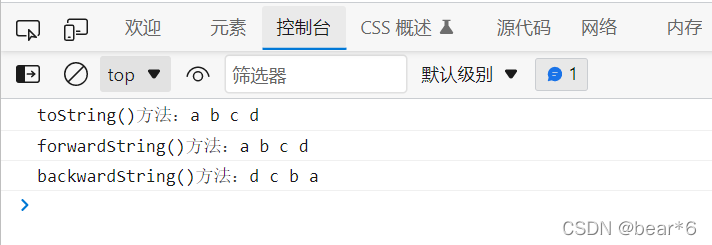
验证成功。
3、insert(position,element):向列表的特定位置插入一个项
该方法逻辑相对复杂。首先校验插入位置是否越界。若未越界,根据链表状态处理:若链表为空,新节点即为首尾节点,直接更新头尾指针;若链表非空,插入位置分三种情况:首位、末尾或中间。具体操作如下:
DoublyLinkedList.prototype.insert = function(position,data){
        var newNode = new Node(data);
         //越界判断,如果不满足,返回false
         if(position<0 || position>this.length){
             return false;
         }else{
             //再次判断
             //如果链表为空,直接插入
             if(position==0){
                 this.head = newNode;
                 this.tail = newNode;
             }else {
             //如果链表不为空
                 //如果插入位置为末尾
                 if(position == this.length){
                     this.tail.next = newNode;
                     newNode.prev = this.tail;
                     this.tail = newNode;
                 }else if(position == 0){
                     //如果插入位置为首位
                     this.head.prev = newNode;
                     newNode.next = this.head;
                     this.head = newNode;
                 }else{
                     //如果插入位置为中间
                     var index = 0;
                     var current = this.head;
                     while(index++ <position){
                         current = current.next;
                     }
                         newNode.next = current;
                         newNode.prev = current.prev;
                         current.prev.next = newNode;
                         current.prev = newNode;

             }
             this.length += 1;
         }

     }
 }
验证:如果在1位置插入xl,如下所示:
list.insert(1,'xl')
console.log(list.toString());
运行结果为:
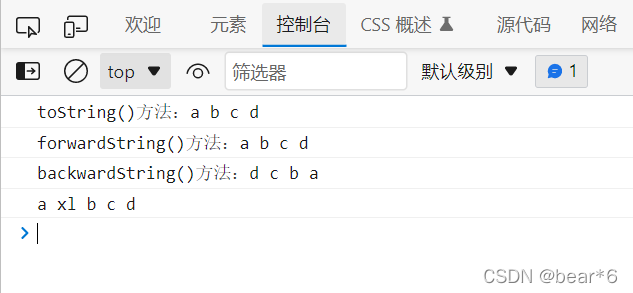
验证成功。
4、get(position):获取对应位置的元素
该方法首先校验位置是否越界。若有效,定义临时节点与索引,使临时节点指向头结点。遍历过程中索引自增,当遍历至目标位置时,返回该临时节点对应的元素。
DoublyLinkedList.prototype.get = function(position){

        if(position<0 || position>=this.length){
            return false;
        }else{
            var index = 0;
            var current = this.head;
            while(index++ <position){
                current = current.next;
            }
            return current.data;
        }
    }
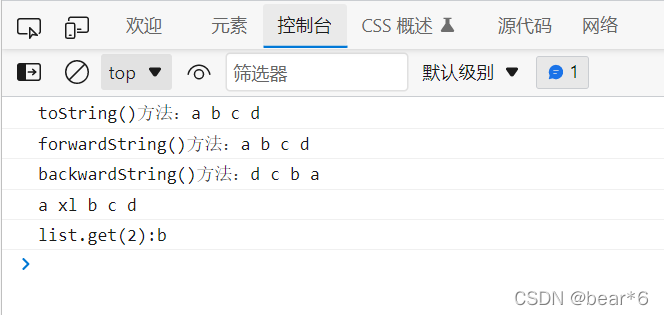
验证:查询position = 2的元素
console.log('list.get(2):'+list.get(2));
结果为:
验证成功。
然而,上述查找方式仅支持单向遍历,效率受限。为此可采用双向查找策略:若目标位置小于或等于链表长度的一半,则从前向后查找;若大于长度一半,则从后往前查找。实现代码为:
    DoublyLinkedList.prototype.get = function(position){

        if(position<0 || position>=this.length){
            return false;
        }else{
            var len = Math.floor(this.length/2);
            if(position<=len){
                var index = 0;
                var current = this.head;
                while(index++ <position){
                 current = current.next;
                }
            }else{
                var index  = this.length-1;
                var current = this.tail;
                while(index-->position){
                    current = current.prev;
                }
            }
            return current.data;
        }
    }
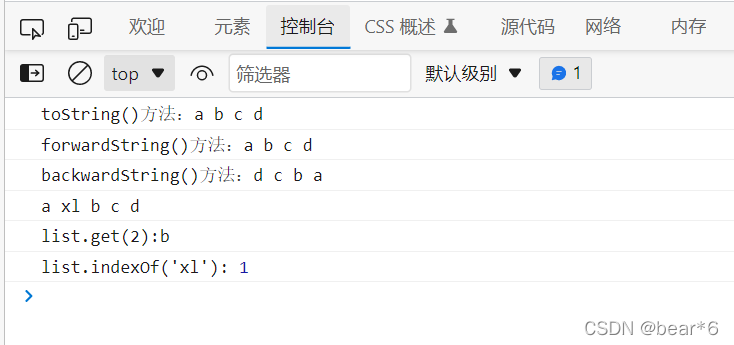
5、indexOf(element):返回元素在列表中的索引
创建临时节点与索引,使临时节点指向头结点。依次向后遍历并递增索引,当遍历到的元素等于指定值时,当前临时节点的位置即为目标位置,其索引即为目标值的索引。
DoublyLinkedList.prototype.indexOf = function(data){
        var current = this.head;
        var index = 0;
        while(current){
            if(current.data === data){
            return index;
         }
         current = current.next;
         index ++;
        }
        return -1;
    }
验证成功。
6、 update(position,ele):修改某个位置的元素
首先校验修改位置是否越界。若有效,定义临时节点与索引,使临时节点指向头结点,索引初始为0。遍历并判断临时节点索引与目标位置是否一致,若一致,则直接修改该临时节点的数据域。
DoublyLinkedList.prototype.update = function(position,newData){
        if(position<0 || position>=this.length){
            return false;
        }else{
            var index = 0;
            var current = this.head;
            while(index++ <position){
                current = curent.next;
            }
            current.data = newData;
            return true;
        }
    }
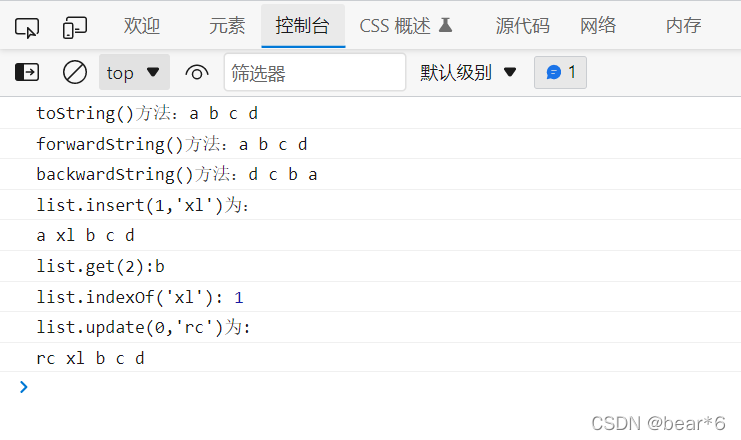
验证:将0位置的数据换成rc
list.update(0,'rc')
       console.log("list.update(0,'rc')为:");
       console.log(list.toString());
验证成功。
7、removeAt(position):从列表的指定位置移除一项
该方法思想与insert()方法相似。首先校验是否越界。若未越界,若链表仅含一个节点,则直接移除,使头尾节点均指向空;若链表含多个节点,则分三种情况处理,操作如下:
DoublyLinkedList.prototype.removeAt = function(position){
        if(position<0 || position>=this.length){
            return null;
        }else{
            var current = this.head;
            if(this.length ===1){
            //链表长度为1
                this.head = null;
                this.tail = null
            }else{//链表长度不为1
                if(position === 0){
                //删除首位
                    this.head.next.prev = null;
                    this.head = this.head.next;
                }else if(position === this.length-1){
                    this.tail.prev.next = null;
                    this.tail = this.tail.prev;
                }else{
                    var index = 0;
                    while(index++ <position){
                        current = current.next;
                    }
                    current.prev.next = current.next;
                    current.next.pre = current.prev;
                }
            }
            this.length -=1;
            return current.data;
        }
    }
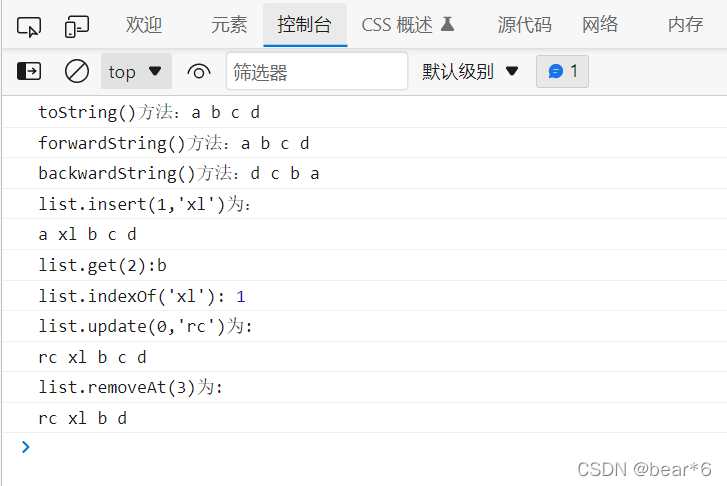
验证:删除位置3的数据:
list.removeAt(3)
       console.log("list.removeAt(3)为:");
       console.log(list.toString());
结果为:
验证成功
8、remove(element):从列表中移除一项
可直接依据indexOf(element)方法获取元素在链表中的位置,再根据removeAt(position)方法执行删除操作。
 DoublyLinkedList.prototype.remove = function(data){
        var index = this.indexOf(data);
        return this.removeAt(index);
    }
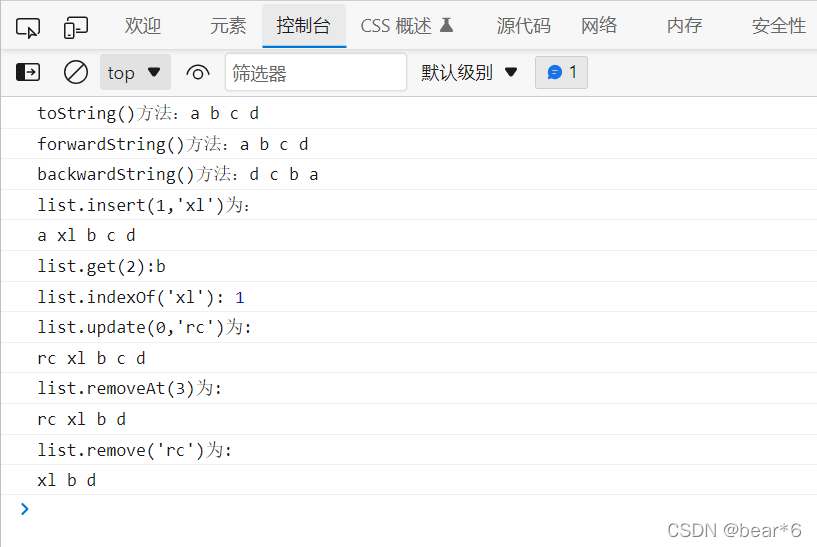
验证:删除数据为rc的节点:
list.remove('rc');
       console.log("list.remove('rc')为:");
       console.log(list.toString());
9、isEmpty():判断链表是否为空
直接判断链表中元素个数是否为零。若为零则返回true(为空),否则返回false(非空)。
DoublyLinkedList.prototype.isEmpty = function(){
        return this.length ==0;
    }
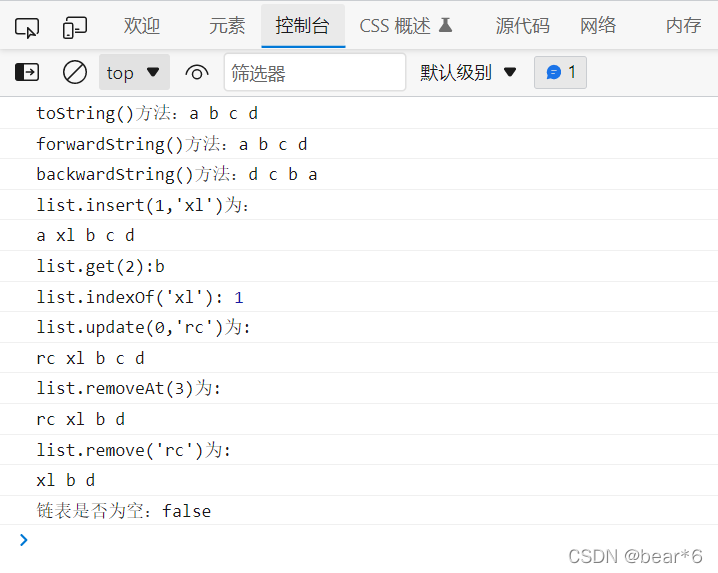
验证:
console.log("链表是否为空:"+list.isEmpty());
10、size():返回链表包含的元素个数
链表长度即元素个数。
DoublyLinkedList.prototype.size = function(){
        return this.length;
    }
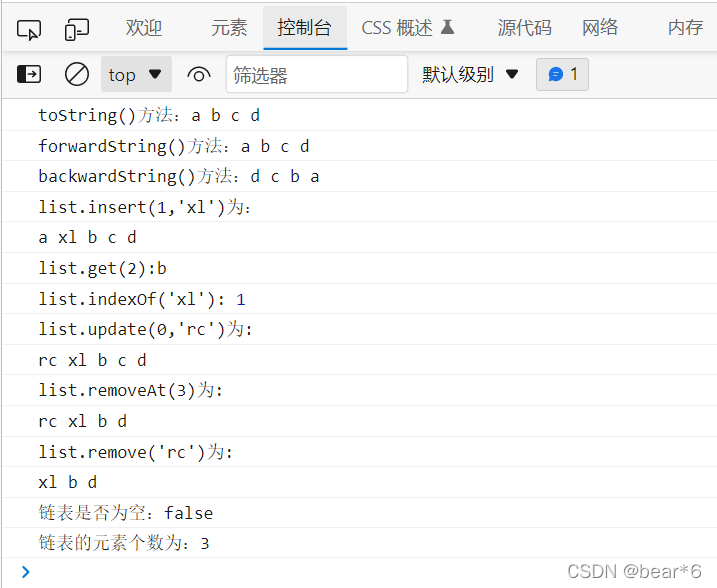
验证:
console.log("链表的元素个数为:"+list.size());
以上就是JavaScript实现双向链表过程解析的详细内容,更多关于JavaScript 双向链表的资料请关注本站其它相关文章!
JS语法错误会阻止加载吗?区分SyntaxError与资源加载失败
2026-11-05 16:08:46
JavaScript常见SyntaxError语法错误排查与修复方法
2026-11-05 13:58:44
JS中slice、substring和substr截取字符串的区别
2026-11-05 13:43:47
JS 转 TS 手动迁移最佳实践:从配置 tsconfig 到消除 any 类型
2026-11-05 11:53:32
为什么JS数组push后得到的是数字而不是数组?
2026-11-05 09:59:18